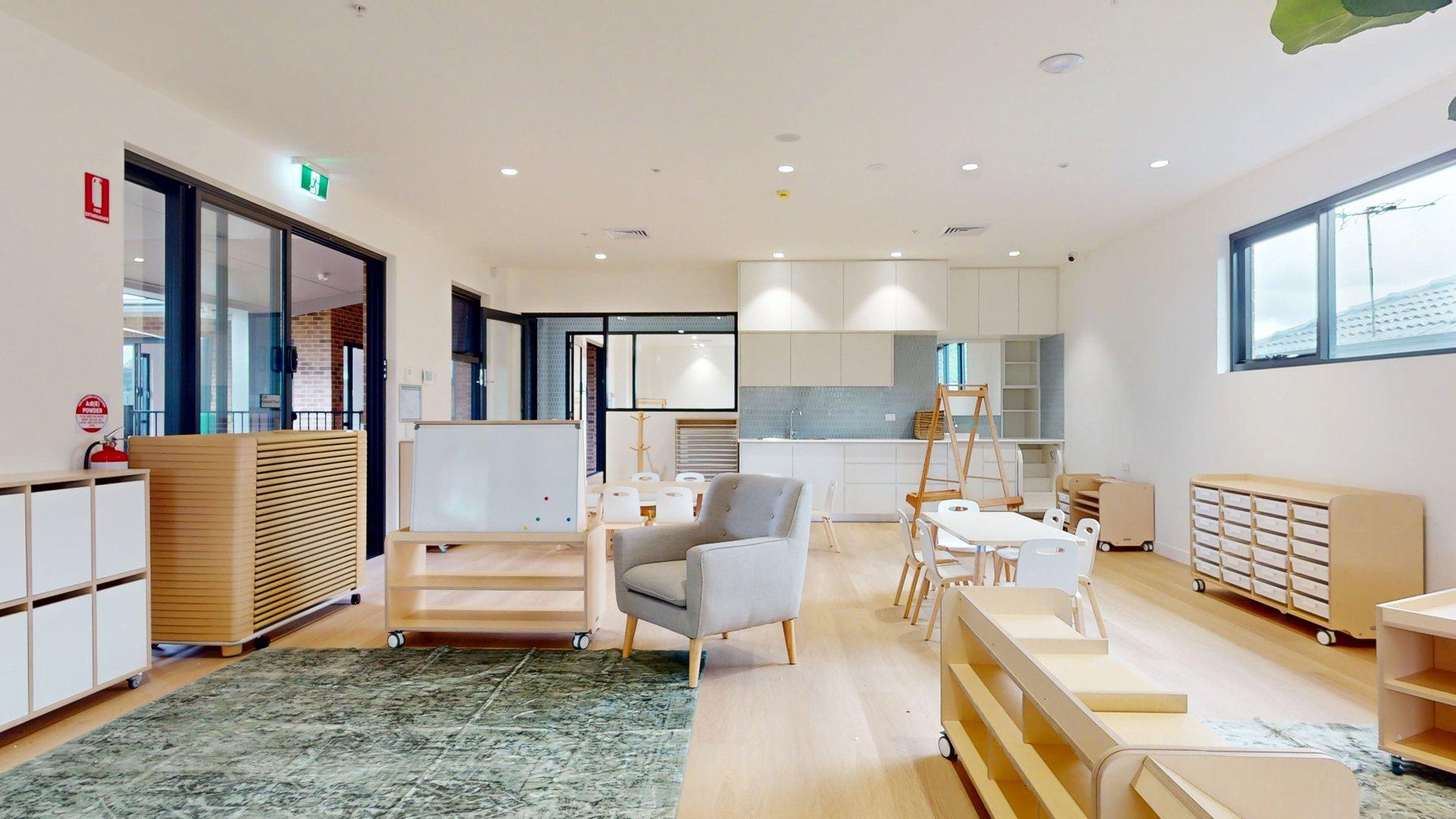
Early education is a cornerstone of lifelong learning and development, serving as the foundation upon which future academic and personal success is built. In Castle Hill, the emphasis on school readiness programs underscores the community’s commitment to nurturing young minds from the outset. These programs are designed to equip children with essential skills and knowledge, fostering an environment where they can thrive both academically and socially. Understanding the significance of these early educational interventions is crucial for parents and educators alike, as they play a pivotal role in shaping the leaders of tomorrow.
The Role of Early Education in Child Development
Early education is pivotal in a child’s development, impacting various aspects of their growth:
- Cognitive Development: Exposure to early education stimulates a child’s brain, enhancing problem-solving skills and critical thinking.
- Social Skills: Interaction with peers in a structured setting helps children learn cooperation, sharing, and empathy.
- Emotional Growth: Early education provides a safe environment for children to express their feelings and develop emotional resilience.
To truly appreciate the benefits of early education, it’s essential to recognize the structured methodologies that underpin these programs. Discover expert strategies here to understand how these initiatives are crafted to cater to diverse learning needs.
School Readiness Programs in Castle Hill
School readiness programs in Castle Hill focus on preparing children for the formal school environment. These programs are designed to ensure that children enter school with the skills, knowledge, and attitudes necessary for success. Key components include:
Customized Learning Approaches
Each child is unique, and school readiness programs in Castle Hill are tailored to meet individual needs. By employing a variety of teaching strategies, these programs cater to different learning styles:
- Play-Based Learning: Encourages exploration and creativity, allowing children to learn through play.
- Structured Activities: Designed to develop specific skills such as literacy and numeracy in a fun, engaging manner.
- Parent Involvement: Involves parents in the learning process to reinforce educational goals at home.
To learn more about these tailored solutions, find out more about this approach that supports children’s readiness for school.
Ensuring a Smooth Transition to School
A smooth transition from preschool to primary school is vital for a child’s continued success. School readiness programs in Castle Hill employ several strategies to facilitate this transition:
- Familiarization Visits: Allow children to visit primary schools, easing the transition by making the new environment less intimidating.
- Developing Routine: Introduces daily routines similar to those in primary schools, helping children adjust to structured schedules.
- Social Skills Workshops: Focus on enhancing interpersonal skills, ensuring children can form friendships and work collaboratively.
These strategies are integral to fostering a confident transition to primary school. Explore advanced guides and tips to see how these methods are applied effectively in Castle Hill.
The Impact of School Readiness Programs
The impact of school readiness programs is profound and long-lasting. Children who participate in these programs tend to perform better academically, exhibit improved social skills, and have higher self-esteem. The Castle Hill community’s commitment to early education through well-structured programs lays a strong foundation for children?s future success.
By understanding the importance of early education and investing in quality school readiness programs, parents and educators can help children achieve their full potential. Learn about our tailored solutions and discover how these programs are making a difference in Castle Hill.