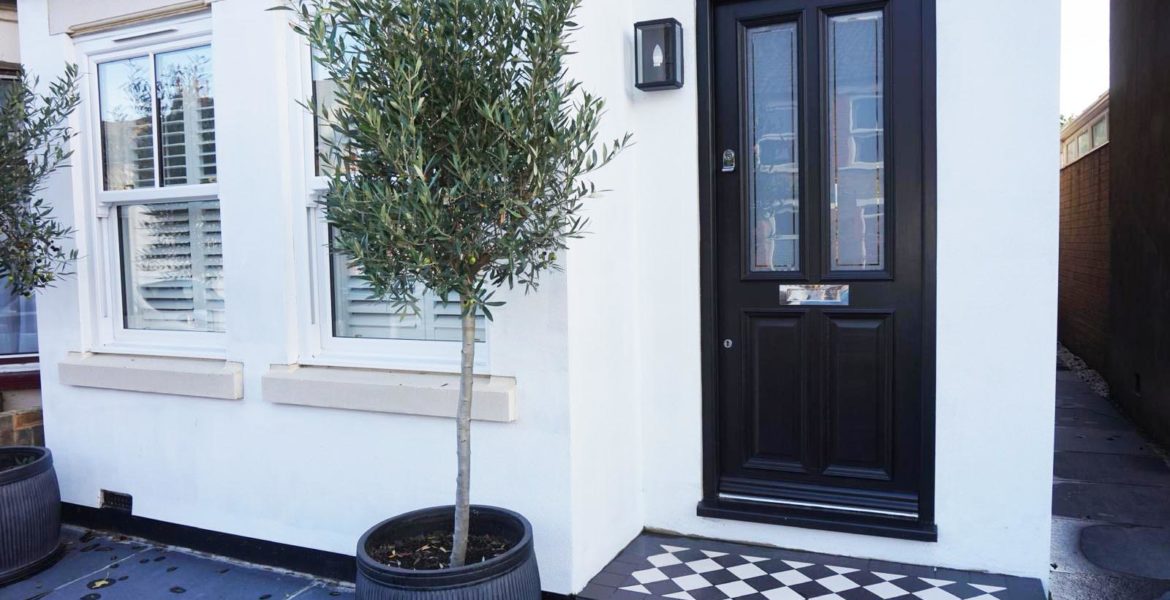
Internal doors are more than just functional elements within a home; they contribute significantly to the aesthetics and privacy of a space. A well-installed internal door can enhance the design flow and overall ambiance. However, achieving a seamless finish requires the expertise of skilled craftsmen and a comprehensive understanding of door fitting nuances. This article explores the key considerations and best practices for achieving flawless internal door installation solutions.
Understanding Internal Door Types and Materials
The choice of internal door can greatly affect the installation process. Various types and materials are available, each with distinct characteristics:
- Solid Wood Doors: Known for their durability and timeless appeal, these doors provide excellent insulation and soundproofing.
- Hollow Core Doors: Lightweight and cost-effective, these are often used in residential properties where budget considerations are paramount.
- Glass Doors: Ideal for spaces that require natural light flow, glass doors can create an open, airy feel.
- Composite Doors: Combining materials like wood and plastic, these offer a balance of strength and weather resistance.
Key Considerations for Installation
The installation of internal doors involves several critical factors to ensure a perfect fit and seamless operation.
Accurate Measurements
Precision is crucial when measuring door frames and spaces. A detailed approach ensures the door fits perfectly, avoiding gaps or misalignment. It’s essential to account for:
- The height and width of the door frame, including allowances for hinges and handles.
- Floor level adjustments, especially if new flooring is being installed.
- Ensuring the frame is square to prevent future operational issues.
Professional Fitting Techniques
Employing professional techniques during the fitting process can make a significant difference:
- Internal doors supplied and fitted with precision tools ensure minimal damage to the surrounding structure.
- Utilizing proper hinge placement to support the door?s weight and functionality.
- Implementing weather stripping or seals to enhance insulation and soundproofing.
Enhancing Aesthetic Appeal
Beyond functionality, door installation can enhance the overall aesthetics of a space. Consider these enhancements:
- Finishes and Paint: Selecting the right finish or paint can complement the interior design and add a touch of elegance.
- Decorative Hardware: Handles and hinges can be chosen to match the style of the room, adding a cohesive look.
- Trim and Molding: Adding trim can create a more polished and refined appearance.
Conclusion
Seamless internal door installation requires a blend of precise measurement, expert fitting techniques, and aesthetic considerations. Whether choosing solid wood for its durability or glass for its light-enhancing properties, the right choice can transform a space. When executed correctly, internal door installation not only improves functionality but also elevates the design and comfort of any environment. For those seeking excellence in their home or office spaces, understanding the intricacies of internal door installation is imperative.