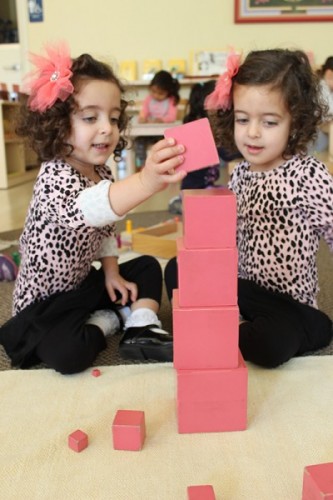
The Montessori educational approach has long been celebrated for its unique philosophy that emphasizes self-directed activity, hands-on learning, and collaborative play. The design and functionality of Montessori classrooms are pivotal to nurturing these principles. Touring state-of-the-art Montessori classrooms reveals a thoughtful blend of traditional educational values and modern technological advancements. These classrooms are purposefully designed to enhance the learning experience, fostering an environment that is both stimulating and adaptable to the needs of each child. As educators and parents explore these innovative spaces, they gain insights into how these environments contribute to the holistic development of children.
The Core Features of Montessori Classrooms
Montessori classrooms are carefully crafted to support the educational philosophy of fostering independence, curiosity, and a love for learning. Key features of these classrooms include:
- Child-Centered Design: Furniture and materials are scaled to the child’s size to promote independence and ease of access.
- Organized Learning Areas: Classrooms are typically divided into distinct areas focusing on practical life, sensorial, mathematics, language, and cultural studies.
- Naturally Lit Environments: Emphasis is placed on using natural light and open spaces to create a welcoming and calming atmosphere.
- Hands-On Materials: Montessori materials are designed to be tactile and interactive, encouraging exploration and discovery.
Incorporating Technology into the Montessori Classroom
While traditional Montessori classrooms focus on tangible, hands-on materials, modern advancements have seen a gradual integration of technology in a way that complements the Montessori method. For further insights on how technology is harmonized with Montessori principles, explore further insights here.
Benefits of State-of-the-Art Montessori Classrooms
The unique structure and resources of Montessori classrooms offer several benefits that contribute to the effective education and development of children:
- Fostering Independence and Confidence: The environment encourages children to select their activities and learn at their own pace, building self-reliance.
- Developing Critical Thinking Skills: Montessori environments promote problem-solving and critical thinking through interactive and engaging activities.
- Encouraging Social Interaction: Classrooms are designed to facilitate group work and social interaction, promoting collaborative skills.
Creating a Sustainable Learning Environment
Sustainability is increasingly becoming a focal point in educational settings. Montessori schools are integrating eco-friendly practices into their classroom designs, promoting environmental awareness among students. This approach not only reduces the ecological footprint of educational spaces but also provides a living lesson in sustainability for children. To learn more about sustainable practices in Montessori environments, read more about this topic.
Conclusion
Touring state-of-the-art Montessori classrooms offers a glimpse into the future of education, where traditional teaching methods are seamlessly integrated with modern advancements. The thoughtful design and intentional use of space and resources create an ideal learning environment that supports the holistic development of children. As educational landscapes continue to evolve, Montessori schools remain at the forefront of innovative and child-centered education. For those interested in exploring the intricacies and benefits of these educational spaces, find additional information here.